What is a Hydraulic Dock Leveller?
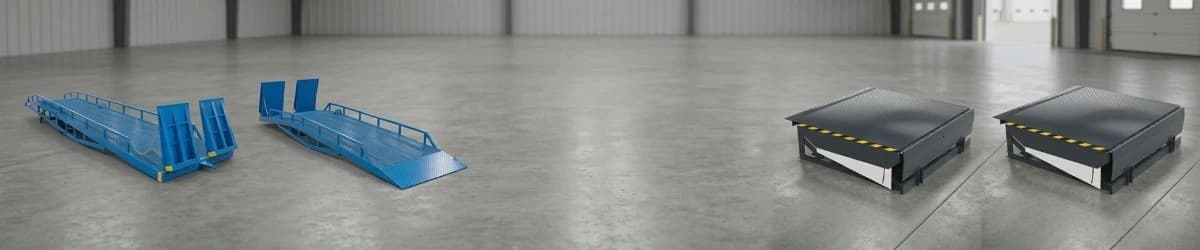
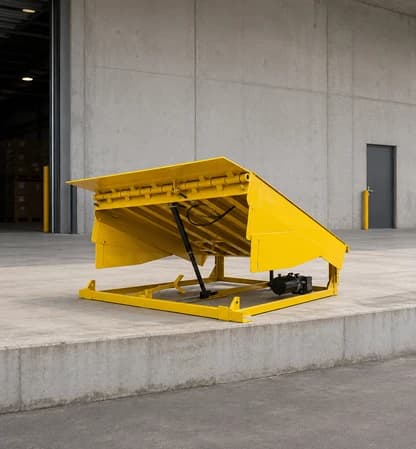
A Hydraulic Dock Leveller is a powered Dock Leveling Equipment system that adjusts its platform to compensate for the height difference between a loading dock and a vehicle. The hydraulic mechanism raises and lowers the deck to create a suitable transition for material handling equipment.
A 9 Ton Hydraulic Dock Leveller is suitable for applications where the required rated capacity and operating conditions match the equipment specifications. It can support the movement of forklifts, pallet trucks, and other compatible handling equipment during loading and unloading.
Unlike manually operated dock solutions, hydraulic operation allows convenient and controlled platform positioning. The actual capacity, dimensions, lip length, hydraulic configuration, and installation arrangement should be selected according to the loading application.
Applications of Dock Leveller
A Warehouse Dock Leveller is used wherever vehicles need to be connected efficiently with an elevated loading dock.
Warehouses – Supports loading and unloading of pallets, cartons, machinery, and other materials.
Logistics Facilities – Helps improve the movement of goods between vehicles and warehouse floors.
Manufacturing Plants – Supports incoming raw material and outgoing finished-product handling.
Distribution Centres – Facilitates efficient vehicle-to-dock material transfer.
Automotive Industry – Assists with handling components, assemblies, and industrial supplies.
FMCG Facilities – Supports frequent loading and unloading of packaged goods.
Pharmaceutical Facilities – Helps facilitate controlled movement of suitable materials and products.
Industrial Storage Facilities – Provides a practical transition between loading vehicles and storage areas.
Industries Served
Warehousing & Logistics – Improves loading dock material flow.
Manufacturing Industry – Supports raw material and finished-product movement.
Distribution Centres – Facilitates regular vehicle loading and unloading.
Automotive Industry – Assists with handling automotive components and equipment.
FMCG Industry – Supports frequent movement of packaged products.
Pharmaceutical Industry – Helps with suitable loading and unloading operations.
Industrial Storage – Supports organized movement between vehicles and warehouse areas.
9 Ton Dock Leveller
A 9 Ton Dock Leveller is designed for loading dock applications where the required equipment capacity is up to 9 tons, according to the manufacturer's rated specifications.
The 9 Ton Hydraulic Dock Leveller may be considered for facilities handling heavy pallets, industrial components, machinery, and other suitable loads. Capacity selection should account for the combined loading conditions, including the handling equipment and load being transferred across the platform.
Important selection factors include:
Rated Load Capacity – Confirm the maximum required operating load.
Dock Height – Measure the difference between the warehouse floor and vehicle bed.
Platform Dimensions – Select dimensions appropriate for the expected handling equipment.
Lip Length – Consider the required connection with different vehicle configurations.
Forklift Requirements – Evaluate the type and weight of equipment crossing the leveller.
Operating Frequency – Consider the expected number of loading cycles.
Installation Conditions – Verify pit dimensions and structural requirements.
Safety Requirements – Review the manufacturer's recommended safety features and operating procedures.
How to Choose the Right Hydraulic Dock Leveller
Choosing the right Dock Leveller Machine requires consideration of the warehouse, vehicle, load, and handling equipment.
Load Requirement – Determine the maximum load that will cross the dock leveller.
Dock Height – Measure the dock level and expected vehicle-bed heights.
Capacity – Select an appropriate rated capacity based on actual operating conditions.
Platform Size – Ensure the deck dimensions accommodate the handling equipment.
Vehicle Compatibility – Consider the range of truck and trailer configurations used at the facility.
Hydraulic System – Evaluate the hydraulic configuration and operating requirements.
Usage Frequency – Select construction suitable for the expected daily loading cycles.
Floor & Pit Conditions – Verify the installation area and structural requirements.
Handling Equipment – Consider forklift, pallet truck, or other equipment specifications.
Safety Requirements – Review appropriate restraints, stops, guards, and operating procedures.
An experienced Dock Leveller Manufacturer can help evaluate these factors before final equipment selection.
Technical Considerations
The performance of an Industrial Dock Leveller depends on rated capacity, dock height, platform dimensions, hydraulic system, vehicle compatibility, installation quality, and operating practices.
Check the platform and structural frame for visible damage or deformation.
Inspect the hydraulic system for leaks or abnormal operation.
Check hydraulic hoses, fittings, and connections regularly.
Ensure the dock leveller operates within its rated capacity.
Inspect the lip and associated components for wear or damage.
Confirm that the vehicle is correctly positioned before loading or unloading.
Keep the loading area clear of unnecessary obstacles.
Check the pit and mounting arrangement for structural condition.
Inspect moving components according to the manufacturer's maintenance recommendations.
Train operators in correct dock leveller operating procedures.
Regular inspection and preventive maintenance help maintain reliable dock performance and support safer loading operations.
Maintenance and Best Practices
Inspect Before Use – Check the platform, lip, hydraulic system, and visible structural components.
Check Hydraulic Components – Inspect hoses, fittings, cylinders, and connections for leaks or damage.
Inspect the Platform – Look for cracks, deformation, excessive wear, or other structural issues.
Check the Lip – Ensure the lip operates correctly and remains suitable for vehicle engagement.
Avoid Overloading – Never exceed the rated capacity of the selected dock leveller.
Maintain the Pit Area – Keep the installation area clean and free from debris.
Check Moving Parts – Inspect hinges, pins, and other applicable components regularly.
Follow Hydraulic Maintenance – Maintain hydraulic components according to manufacturer recommendations.
Keep the Dock Clear – Remove obstacles that could interfere with loading operations.
Train Operators – Ensure personnel understand correct loading and unloading procedures.
Schedule Preventive Maintenance – Conduct periodic inspection and servicing based on operating frequency.
Why Choose Excelus Machineries?
Selecting a Dock Leveller Supplier requires consideration of load capacity, dock configuration, vehicle compatibility, construction, hydraulic performance, installation requirements, and technical support.
Excelus Machineries provides industrial material handling solutions focused on practical warehouse and loading requirements.
Key advantages include:
Durable industrial construction
Hydraulic loading dock solutions
Support for different capacity requirements
Application-focused equipment selection
Technical guidance during product selection
Suitable solutions for warehouses and industrial facilities
Customization support for application-specific requirements
Maintenance and operational guidance
For businesses requiring a 9 Ton Dock Leveller, selection should be based on actual load conditions, handling equipment, dock dimensions, vehicle compatibility, and operating frequency.
Conclusion
A Hydraulic Dock Leveller provides a practical connection between an elevated loading dock and different vehicle-bed heights, helping forklifts, pallet trucks, and other suitable handling equipment move materials more efficiently. A Dock Leveller 9 Ton is suitable for applications requiring a rated capacity of up to 9 tons, subject to manufacturer specifications and installation conditions.
Whether used as Dock Leveling Equipment, a Dock Leveller Machine, or an Industrial Dock Leveller, the system should be selected based on load requirements, dock height, platform dimensions, vehicle compatibility, and operating frequency. Excelus Machineries provides industrial material handling and loading solutions designed around practical operational requirements, helping businesses improve loading efficiency and organized warehouse material flow.