Description
What is Hydraulic Machine Toe Jack?
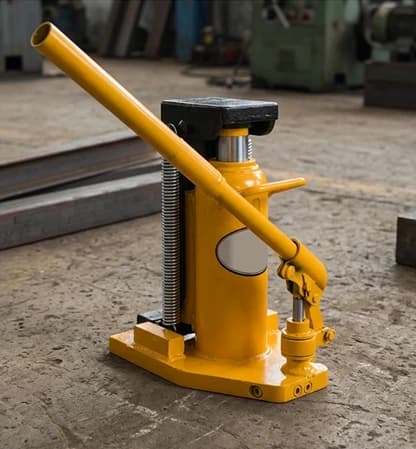
A Hydraulic Machine Toe Jack is a hydraulic lifting device that uses a low-mounted toe as the primary lifting point for suitable machinery and heavy loads. The toe can engage loads positioned close to the ground, allowing lifting where access beneath the load is restricted.
A Machine Toe Jack is particularly useful for raising machinery before skidding, shifting, leveling, alignment, installation, or positioning. The hydraulic mechanism provides controlled lifting through the jack's operating system, subject to the manufacturer's specified capacity and operating procedure.
A Low Profile Toe Jack can be considered for applications where available space below the load is limited. The actual lifting capacity, minimum toe height, stroke, dimensions, and operating conditions vary by model and should always be confirmed from the manufacturer's specifications.
Key Features & Benefits of Hydraulic Machine Toe Jack
Low-Level Lifting Toe – Allows suitable loads to be engaged from positions close to the floor.
Hydraulic Lifting Action – Provides controlled raising of compatible machinery and heavy loads.
Compact Configuration – Suitable for lifting applications where conventional equipment may have limited access.
Heavy-Duty Options – A Heavy Duty Toe Jack can be selected for higher-load machinery handling within its rated capacity.
Controlled Positioning – Supports careful lifting during machinery relocation, installation, and alignment.
Low-Clearance Capability – A suitable Low Profile Toe Jack can be used where under-load access is restricted.
Industrial Application Suitability – Useful for factories, workshops, engineering facilities, and machinery handling operations.
Stable Load Engagement – Designed to engage suitable loads through the specified lifting toe.
Portable Handling Solution – Can be positioned at appropriate lifting points according to the equipment and application.
Application-Based Selection – Capacity, lifting height, toe dimensions, and clearance should be matched to the actual requirement.
Applications of Hydraulic Machine Toe Jack
A Hydraulic Toe Jack can be used in applications where heavy machinery or equipment needs to be raised from a low starting position.
Machinery Installation – Supports lifting equipment during positioning and installation activities.
Machine Relocation – Helps raise compatible machinery before shifting or skidding operations.
Maintenance Operations – Used for suitable maintenance, repair, and equipment adjustment tasks.
Machine Leveling – Can assist in raising equipment during suitable leveling and positioning procedures.
Fabrication Workshops – Supports lifting of compatible fabricated structures and machinery.
Industrial Equipment Handling – Used for raising machinery and heavy components from low-clearance positions.
Plant Maintenance – Can support equipment replacement and positioning operations.
Engineering Workshops – Useful for compatible machinery-handling activities.
Customized Handling Applications – Can be incorporated into application-specific lifting procedures where appropriate.
A Machinery Toe Jack should always be used as part of a properly planned lifting operation, with the load adequately supported before personnel work beneath or around the raised equipment.
Industries Served
Manufacturing Industry – Supports machinery installation, maintenance, alignment, and relocation activities.
Engineering & Fabrication – Used for handling suitable machinery and fabricated industrial equipment.
Automotive Industry – Can support compatible equipment maintenance and machinery positioning operations.
Heavy Engineering – Suitable for demanding machinery-handling applications when properly rated.
Industrial Maintenance – Helps raise equipment during inspection, repair, and replacement activities.
Construction & Infrastructure – Can be considered for suitable equipment positioning and installation tasks.
Warehousing & Industrial Facilities – Supports compatible heavy equipment handling operations.
Workshops – Provides a practical low-clearance lifting solution for suitable machinery.
How to Choose the Right Hydraulic Machine Toe Jack
Choosing the correct Hydraulic Lifting Jack requires consideration of the load, available clearance, lifting point, and overall handling procedure.
Load Capacity – Select a jack according to the actual load and manufacturer's specified working capacity.
Minimum Lifting Height – Check the required clearance between the floor and the designated lifting point.
Toe Height – Ensure the toe can correctly engage the approved lifting position on the machinery.
Maximum Lift Height – Confirm that the jack provides sufficient lifting range for the intended task.
Load Distribution – Consider how the machinery load is distributed and whether multiple lifting points are required.
Lifting Point Design – Verify that the machinery has a suitable and structurally adequate contact point.
Jack Positioning – Ensure sufficient space is available to position and operate the jack correctly.
Operating Environment – Consider floor condition, available workspace, dust, moisture, and other site conditions.
Lifting Frequency – Select equipment appropriate for occasional maintenance or repeated industrial lifting operations.
Manufacturer Specifications – Confirm capacity, dimensions, lifting range, and operating limitations before use.
For specialized requirements, a Toe Jack Supplier should be able to provide the relevant dimensions and application information needed to match the jack with the machinery.
Technical Considerations
The performance of a Machine Toe Jack depends on correct capacity selection, proper load engagement, floor condition, lifting-point strength, and operating practices.
Confirm the rated working load limit before use.
Check the minimum toe clearance against the actual machine lifting point.
Verify that the toe is fully and correctly positioned beneath the designated lifting point.
Confirm that the supporting floor can withstand the applied load.
Keep the jack positioned on a stable and suitable surface.
Avoid eccentric, side, or unstable loading outside the manufacturer's intended application.
Check hydraulic components for leakage or visible damage.
Inspect the lifting toe, frame, handle, and other structural components.
Never exceed the specified lifting capacity or operating range.
Use suitable mechanical supports after lifting where required.
Keep personnel clear of suspended or unstable loads.
Follow the manufacturer's operating and inspection procedures.
A Low Profile Toe Jack should be selected only when its minimum clearance and rated specifications are appropriate for the machinery. The jack itself should not be relied upon as the sole support for a raised load during extended work.
Maintenance and Best Practices
Inspect Before Use – Check the frame, toe, hydraulic components, handle, and visible connections.
Check for Hydraulic Leaks – Inspect seals, hoses, fittings, and hydraulic areas for signs of leakage.
Inspect the Lifting Toe – Check for deformation, cracks, excessive wear, or other damage.
Check the Frame – Look for bending, cracks, or structural deterioration.
Keep Components Clean – Remove dust, dirt, and material buildup that may affect inspection or operation.
Check the Operating Mechanism – Ensure the hydraulic action functions smoothly and correctly.
Use a Stable Floor – Position the jack on an adequately strong and level surface suitable for the load.
Avoid Overloading – Never exceed the manufacturer's specified capacity.
Use Secondary Supports – After raising machinery, use suitable supports or blocking where required by the lifting procedure.
Store Correctly – Keep the jack protected from unnecessary impact, contamination, and unsuitable environmental conditions.
Follow Hydraulic Maintenance – Maintain hydraulic components according to manufacturer recommendations.
Remove Damaged Equipment from Service – Do not use a jack showing structural or hydraulic damage.
Regular inspection and correct operating practices help maintain dependable lifting performance and reduce avoidable equipment problems.
Why Choose Excelus Machineries?
Selecting a Hydraulic Machine Toe Jack Manufacturer requires consideration of load requirements, minimum clearance, lifting range, machinery compatibility, operating conditions, and technical support.
Excelus Machineries provides industrial material handling and lifting solutions focused on practical application requirements. Toe jack selection can be considered according to machinery dimensions, lifting points, working load, available clearance, and intended operating conditions.
Key considerations include:
Industrial Experience – More than two decades of experience in material handling solutions.
Application-Focused Selection – Lifting equipment is considered according to the actual machinery and working conditions.
Material Handling Expertise – Supports machinery lifting, positioning, maintenance, and handling applications.
Technical Guidance – Helps customers evaluate important capacity, clearance, and lifting requirements.
Customized Support – Suitable for application-specific machinery lifting needs.
Quality-Focused Approach – Solutions are considered for practical industrial operating conditions.
After-Sales Support – Assistance for product-related and replacement requirements.
Industrial Customer Support – Suitable for engineers, maintenance teams, procurement professionals, and equipment users.
For businesses evaluating a Hydraulic Machine Toe Jack Manufacturer or Toe Jack Supplier, important factors include rated capacity, minimum toe height, lifting range, machinery lifting points, floor conditions, and the complete lifting procedure.
Conclusion
A Hydraulic Machine Toe Jack provides a practical solution for raising heavy machinery and equipment from low-clearance positions. Its toe lifting arrangement can support machinery installation, relocation, leveling, maintenance, and positioning in suitable industrial applications.
Whether specified as a Hydraulic Toe Jack, Industrial Toe Jack, Low Profile Toe Jack, Heavy Duty Toe Jack, or Hydraulic Lifting Jack, the equipment should be selected according to load capacity, lifting point, minimum clearance, lifting range, floor condition, and manufacturer specifications. As a Hydraulic Machine Toe Jack Manufacturer, Excelus Machineries focuses on application-based lifting and material handling solutions for industrial requirements.